

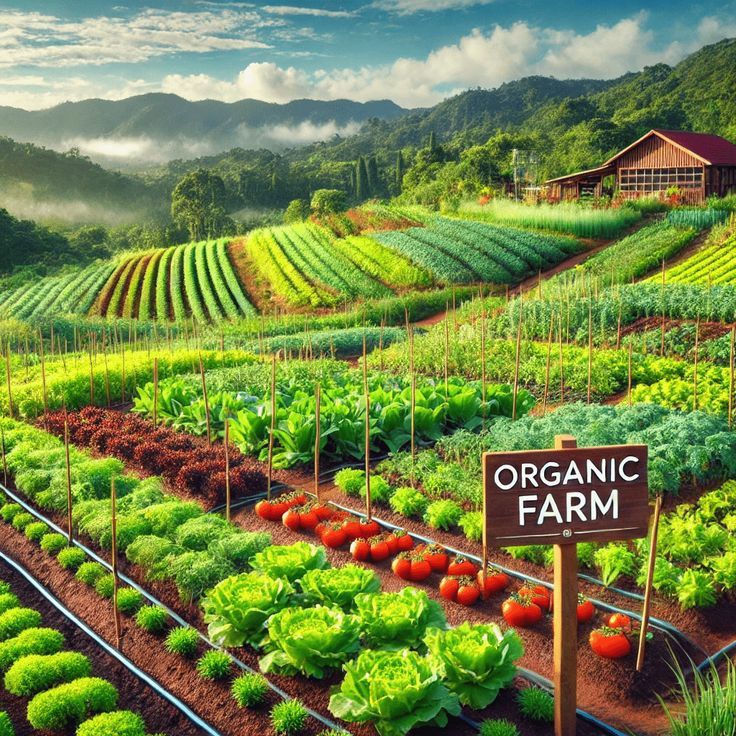
In a world where refined and processed foods dominate our plates, organic millets are making a powerful comeback as a natural, nutrient-rich alternative for maintaining good health. Known as one of the oldest cultivated grains in human history, millets have been a staple in traditional diets across Asia and Africa for thousands of years. Today, health-conscious individuals are turning to organic millets for their exceptional nutritional profile for good health, gluten-free nature, and ability to promote overall well-being for good health.
interest
Introduction to Millets:
Millets: The Forgotten Superfood for a Healthier Life 🌾
In today’s fast-paced world, our food habits have drastically changed. Processed, fried, and polished foods have taken over our diets, contributing to poor health and decreasing life expectancy. Once upon a time, our forefathers lived strong, healthy lives, often crossing 100 years of age and one of their secrets was millets.
In a world where refined and processed foods dominate our plates, organic millets are making a powerful comeback as a natural, nutrient-rich alternative for maintaining good health. Known as one of the oldest cultivated grains in human history, millets have been a staple in traditional diets across Asia and Africa for thousands of years for good health. Today, health-conscious individuals are turning to organic millets for their exceptional nutritional profile, gluten-free nature, and ability to promote overall well-being.
🌱 What Are Millets?
Millets are a group of small-seeded grains that have been cultivated for thousands of years, especially in India and other parts of Asia and Africa. They are naturally organic, require minimal water and chemicals to grow, and are considered highly eco-friendly.
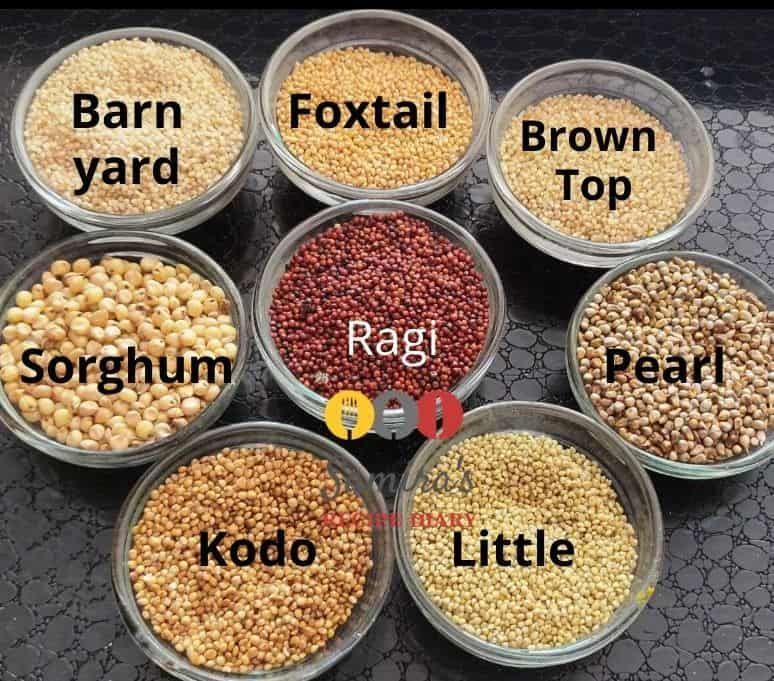
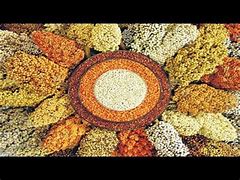
Some common types of millets include:
l Millet (Thinai)
2 Finger Millet (Ragi)
3 Pearl Millet (Bajra)
4 Little Millet (Samai)
5 Kodo Millet
6 Barnyard Millet
7 Proso Millet
💪 Nutritional Powerhouse
Millets are packed with essential nutrients that our bodies need
- High in Protein: Supports muscle repair and growth
- Rich in Fiber: Aids digestion and improves gut health
- Loaded with Vitamins & Minerals: Especially calcium, iron, magnesium, and B vitamins
- Low Glycemic Index: Helps manage blood sugar levels
🩺 Health Benefits of Millets
✅ Great for Diabetics: A low glycaemic index makes it ideal for controlling blood sugar
✅ Aids Weight Loss: Keeps you full longer and prevents overeating
✅ Improves Digestion: High fiber content promotes a healthy digestive system
✅ Boosts Immunity: Rich in antioxidants and essential nutrients
✅ Strengthens Bones: Calcium and magnesium promote bone health
✅ Heart-Friendly: Helps manage cholesterol and supports heart health
🍽️ Bringing Back Traditional Wisdom
Our ancestors thrived on millet-based diets, living active and healthy lives without modern diseases. It’s time we bring back this ancient wisdom to our modern kitchens.
By replacing polished rice and refined wheat with millets, we can significantly improve our health and the health of our families.
🌍 A Sustainable Choice
Millet farming is kind to the environment:
- Requires less water
- Grows in poor soil
- Needs fewer fertilizers and pesticides
- Helps preserve biodiversity
Switching to millets is not just a smart health choice — it’s an ethical and eco-conscious decision.
🥗 How to Include Millets in Your Diet
You can easily include millets in your daily meals:
Millet Upma, Pongal, or Dosa for breakfast
Millet Khichdi or Biryani for lunch
Millet Rotis or Porridge for dinner
Millet snacks like laddus, energy bars, or cookies
🌾 Start small. Start today. Choose millets—for your health, for the earth, and for a better future.
Environmental Sustainability
Millets are climate-smart crops:
Grow well in low rainfall and poor soil
Require minimal water compared to rice or wheat. Resist pests naturally, reducing the need for chemical pesticides
By choosing millets, consumers contribute to sustainable farming and help fight climate change.
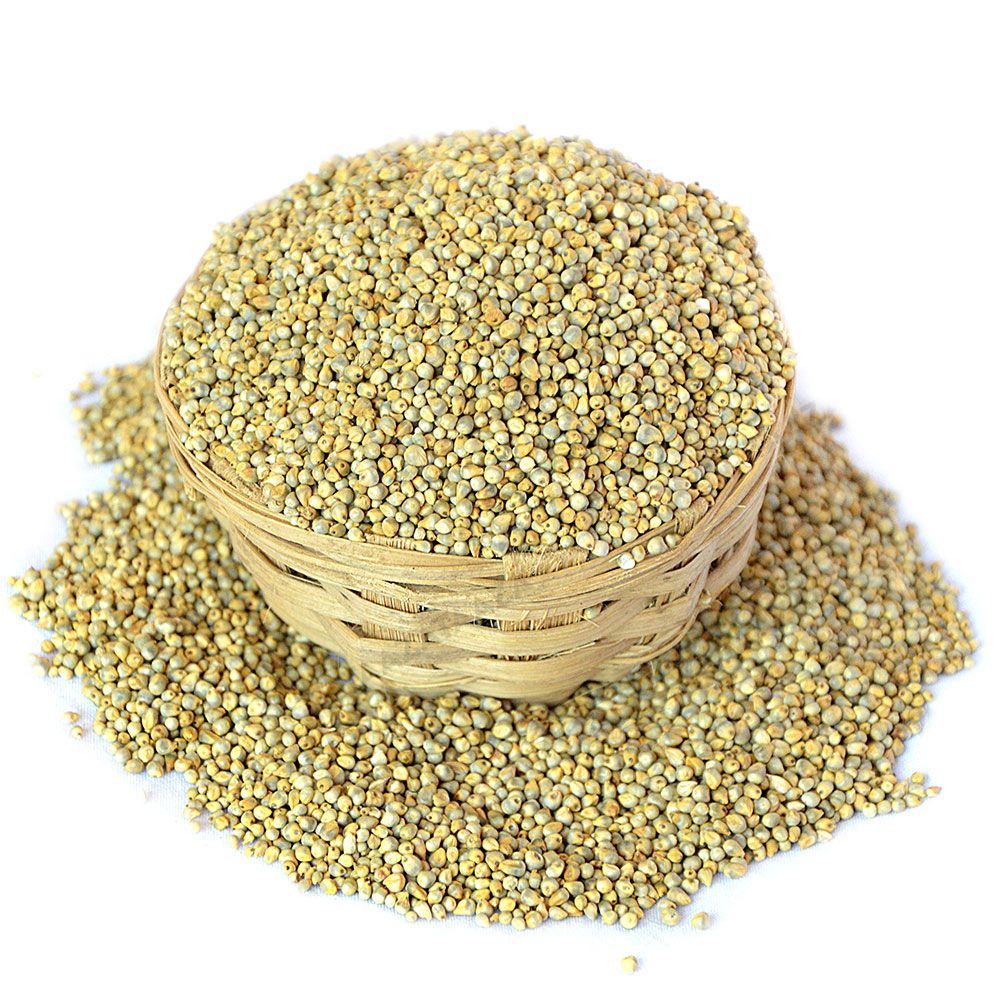
BAJRA (సజ్జలు ) : A Complete Guide to the Nutritious Pearl Millet
In recent years, there has been a resurgence in the popularity of traditional grains—and one of the stars leading this health-conscious revival (for good health) is Bajra, also known as Pearl Millet. Once considered a poor man’s grain, Bajra is now celebrated globally for its exceptional nutritional profile and health benefits. In this blog post, we’ll dive deep into what Bajra millet is, its history, nutritional value, health benefits, culinary uses, and why it deserves a place in your daily diet.
Health Benefits of Bajra:
Rich in Fiber, Controls Blood Sugar Levels, Heart Health, Boosts Immunity, Weight Management, Gluten-Free Alternative, Good for Bone Health.
Government & Global Promotion:
The United Nations declared 2023 as the International Year of Millets, encouraging countries to promote their cultivation and consumption for good health.
In India, various states are introducing millet-based school meals and public health campaigns
Popular Types of Millets People Eat Today
Pearl Millet (Bajra) – Energy-rich and high in iron
Finger Millet (Ragi) – Calcium powerhouse
Foxtail Millet – Good for heart and bone health
Little Millet – Great for digestion and immunity
Proso Millet – Lightweight, easy to cook
Barnyard Millet – Perfect for fasting and detox
Kodo Millet – High in antioxidants and fiber
Conclusion Millets are more than just a food trend — they are a return to our roots and a step towards a healthier, more sustainable future.
Business support to millet-related products by the Central Government
Government schemes are available for interest Indian people for who o start up millet-relat business. The government is training interested persons like the Millet Hub
Millet Startups: Government Schemes & Training Opportunities for Aspiring Entrepreneurs in India
In recent years, millets have made a strong comeback as a nutritious, climate-resilient, and sustainable food source. With the Indian government’s proactive steps—including the declaration of 2023 as the International Year of Millets — there’s been a surge in support for millet-based entrepreneurship. If you’re passionate about promoting healthy food and building a business with impact, this is your moment!
💡 Why Start a Millet-Based Business?
Millets are gaining popularity for good reasons:
- Rich in nutrients like fiber, protein, iron, and antioxidants.
- Require less water and inputs, making them environmentally friendly.
- Huge demand in health-conscious urban markets.
- Increasing government and institutional support.
From value-added products like millet snacks, cookies, flour blends, breakfast cereals, and ready-to-eat meals to farming, processing, packaging, and export opportunities, the millet value chain is wide open for innovation.
🏛️ Government Support for Millet Startups
The Indian government, through various ministries and departments, has launched multiple schemes to encourage and empower entrepreneurs in the millet sector. Here are some major initiatives:
Startup India Scheme
- Provides recognition, funding access, mentorship, and tax exemptions and license document support.
- Millet-based startups can register and avail of benefits under the agri-food processing or health and wellness category.
PM Formalization of Micro Food Processing Enterprises (PM-FME) Scheme
- The Government Offers 50% subsidy on project cost for individual micro food processors.
- Special focus on millet processing units and value addition products.
Rashtriya Krishi Vikas Yojana (RKVY-RAFTAAR)
- Grants and incubation support for agri-entrepreneurs, including those working with millets.
- Access to agri-business incubation centers across India.
National Rural Livelihoods Mission (NRLM)
Supports women SHGs and rural entrepreneurs for millet-based processing and marketing activities.
Training, capital assistance, and market linkage support.
🎓 Training & Incubation Support: Millet Hubs Leading the Way
🌟 Millet Hub (and similar incubators)
Institutes like Millet Hub, supported by the Ministry of Agriculture and IIMR (Indian Institute of Millets Research), provide:
- Hands-on training in millet product development.
Business planning and mentorship.
Support in branding, packaging, and quality certification.
Exposure to modern technologies for processing and value addition. - Other similar incubation centers include:
- Nutrihub-TBI (IIMR Hyderabad) – India’s first millet-focused agri-business incubator.
- ICAR & Krishi Vigyan Kendras (KVKs) – Offering millet-related training at the grassroots level.
🚀 How to Get Started?
- Identify your niche: Decide whether you want to focus on farming, processing, ready-to-eat products, or export.
Get trained: Enrol in millet entrepreneurship development programs like those offered by Millet Hub or Nutrihub.
Leverage schemes: Apply for financial and technical support from relevant government schemes.
Build your brand: Use health trends and sustainability angles to create awareness.
Go digital: Use e-commerce, social media, and local networks to promote and sell your millet-based products.
🌱 Final Thoughts
Millets are more than just ancient grains — they are the future of sustainable food. With rising consumer demand and robust government support, now is the best time to turn your millet idea into a successful business. Whether you’re a rural entrepreneur, a youth with startup dreams, or a woman-led SHG, the opportunity is ripe.
Let’s make India the Global Millet Hub — one startup at a time